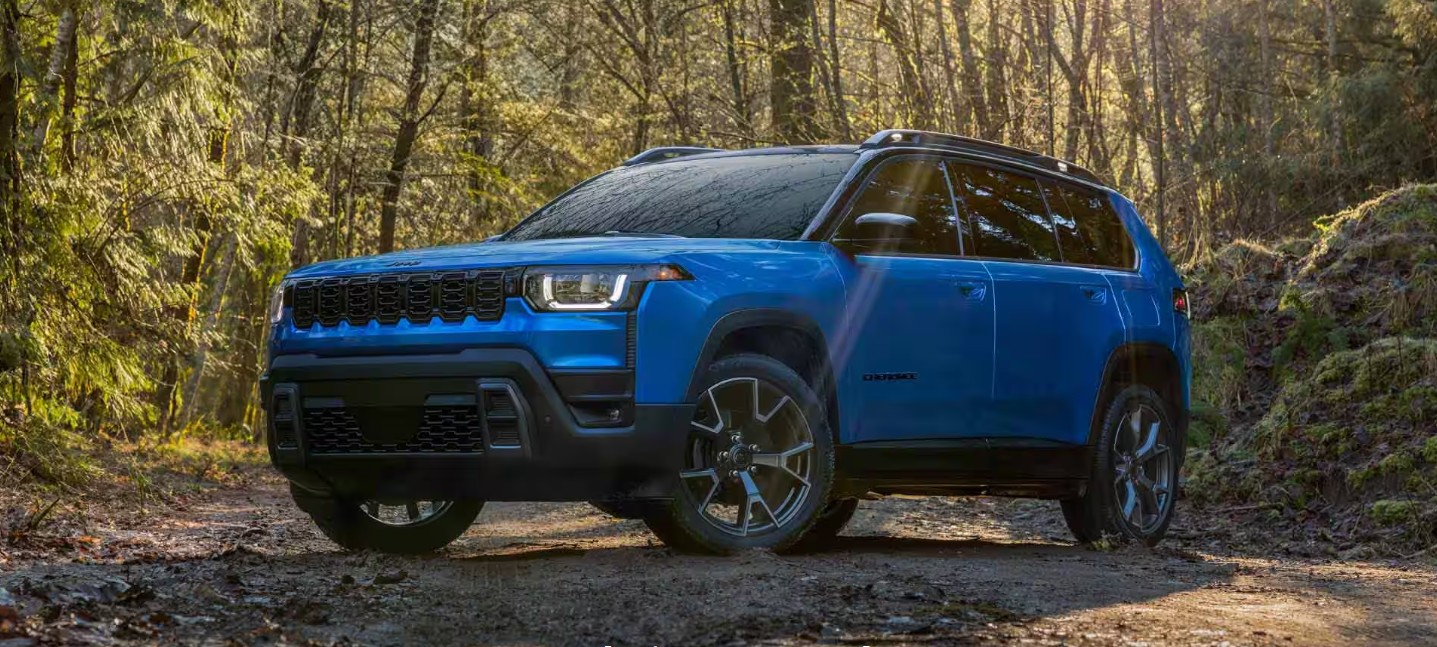
Quick Answer: What Safety Features Does the 2026 Jeep Cherokee Include?
The 2026 Jeep Cherokee comes equipped with over 140 standard and available safety features, headlined by Cherokee Active Driving Assist — a semi-autonomous system combining continuous lane centring with adaptive cruise control and Stop & Go capability. Core systems including Full-Speed Forward Collision Warning with Active Braking, Blind Spot Monitoring, and Lane Departure Warning are standard across all trims. Every Cherokee sold in Canada includes Jeep Active Drive I all-wheel drive as a mechanical foundation, with heated sensors and radar that remain operational in Alberta winter conditions down to –30°C.
Key Takeaways
- The 2026 Jeep Cherokee includes over 140 standard and available safety and security features across all trim levels.
- Cherokee Active Driving Assist combines lane centring with Adaptive Cruise Control with Stop & Go — reducing fatigue on long Alberta highway drives like the QEII or Highway 16.
- Full-Speed Forward Collision Warning with Active Braking operates across all forward speeds from 0 to 180 km/h.
- Blind Spot Monitoring with Trailer Detection extends coverage when towing up to 1,588 kg.
- A nine-airbag restraint system and high-strength steel structural frame provide passive protection when prevention isn't enough.
- All 2026 Cherokees sold in Canada include Jeep Active Drive I AWD as standard — no front-wheel-drive option.
- Heated sensors, radar elements, and washer systems maintain safety system function in temperatures down to –30°C.
- St. Albert Dodge offers hands-on technology demonstrations — call 587-742-9181 to book yours.
2026 Jeep Cherokee Safety Features & Active Driving Assist
Alberta roads demand more than competent driving — they demand a vehicle designed to match our conditions. From black ice on the QEII in February to wildlife crossings on rural routes and packed St. Albert Trail during rush hour, our roads test drivers year-round. The all-new 2026 Jeep Cherokee was engineered with over 140 standard and available safety features to meet those demands head-on.
At St. Albert Dodge, located at 1155 St. Albert Trail, St. Albert, AB T8N7X1, we offer hands-on demonstrations of the Cherokee's advanced safety technologies. Our team can show you exactly how Active Driving Assist, collision prevention, and blind-spot monitoring work in real-world Alberta driving scenarios. Call us at 587-742-9181 to schedule a technology demo or test drive.
Why Safety Technology Matters on Alberta Roads
Alberta's climate creates a rotating set of driving hazards across all four seasons. No other province experiences quite the same combination of extreme cold, sudden spring ice formation, summer wildlife activity, and unpredictable fall weather — all within the same 12-month ownership cycle.
| Season | Primary Road Hazards | Relevant Safety Systems |
|---|---|---|
| Winter | Ice storms, reduced visibility, snowdrifts | Traction control, forward collision warning, stability systems |
| Spring | Black ice, flooding, road debris | All-weather 4×4 capability, automatic emergency braking, lane monitoring |
| Summer | Construction zones, wildlife crossings, long-distance fatigue | Adaptive cruise control, driver attention monitoring, pedestrian detection |
| Fall | Early darkness, frost, unpredictable weather transitions | Enhanced lighting, blind-spot detection, collision mitigation |
Every 2026 Cherokee sold in Canada comes with the hybrid powertrain and Jeep Active Drive I all-wheel drive as standard equipment. This mechanical foundation — combined with the Cherokee's advanced electronic safety systems — creates genuine confidence for St. Albert commutes, Edmonton highway driving, and Alberta back-road adventures alike.
Comprehensive 2026 Jeep Cherokee Safety Features Overview
The 2026 Cherokee's 140+ safety technologies fall into four broad categories, each addressing a distinct aspect of driver and passenger protection:
| Safety Category | Key Technologies |
|---|---|
| Collision Prevention | Full-Speed Forward Collision Warning with Active Braking, Rear Cross Path Detection, and multi-stage Collision Mitigation — systems that identify potential impacts before they happen. |
| Driver Assistance | Active Driving Assist, Adaptive Cruise Control with Stop & Go, Drowsy Driver Detection, and Lane Departure Warning — technologies that reduce fatigue and support attentive driving. |
| Visibility Enhancements | Blind Spot Monitoring, Rear Cross Path Detection, Surround View Camera System, and Traffic Sign Recognition — tools that give you complete awareness of your surroundings. |
| Structural Protection | A nine-airbag restraint system, high-strength steel safety frame with engineered crumple zones, and seatbelt pretensioners — passive systems that protect occupants when prevention isn't enough. |
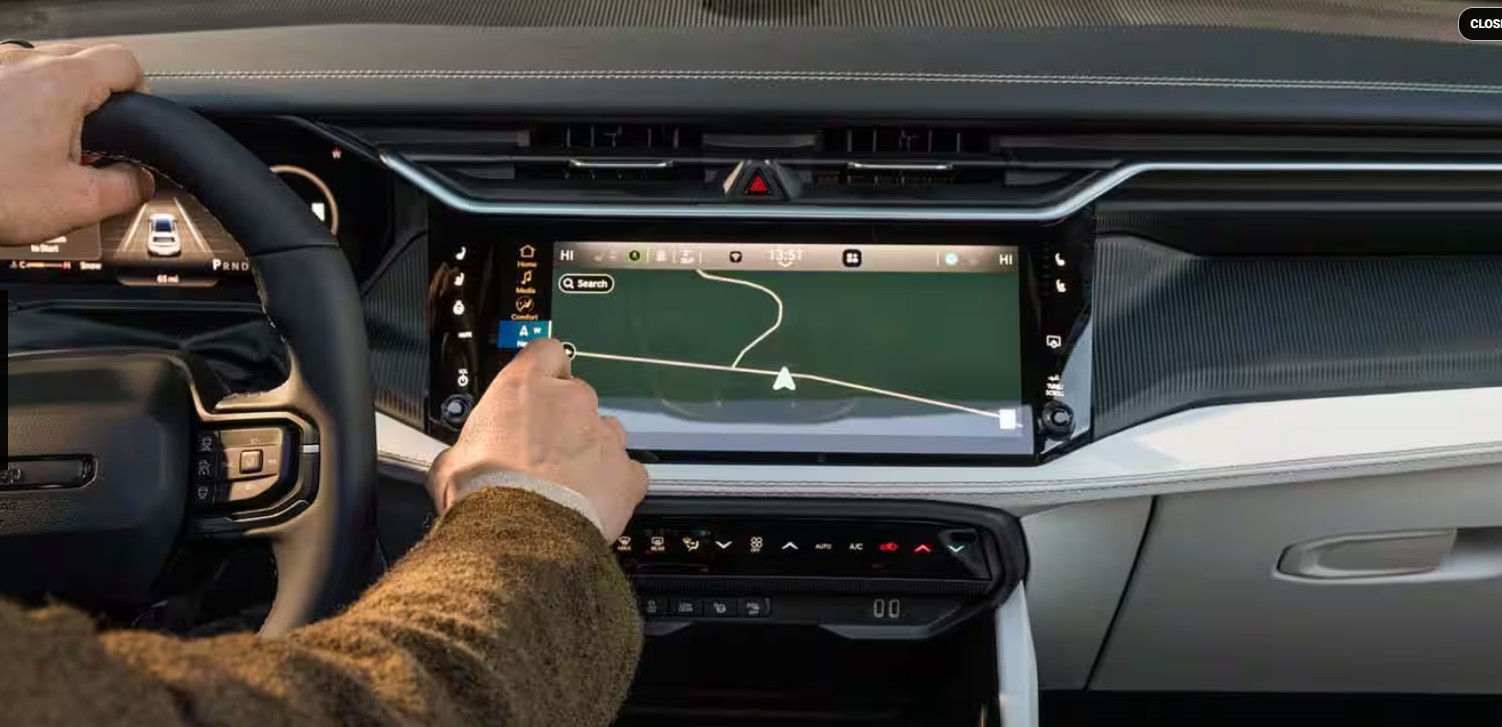
All of these systems are integrated into the Cherokee's 12.3-inch Uconnect 5 touchscreen and 10.25-inch Digital Cluster Display, allowing you to customise alert sensitivity, monitor system status, and adjust preferences without distraction.
Cherokee Active Driving Assist: Semi-Autonomous Support on Alberta Highways
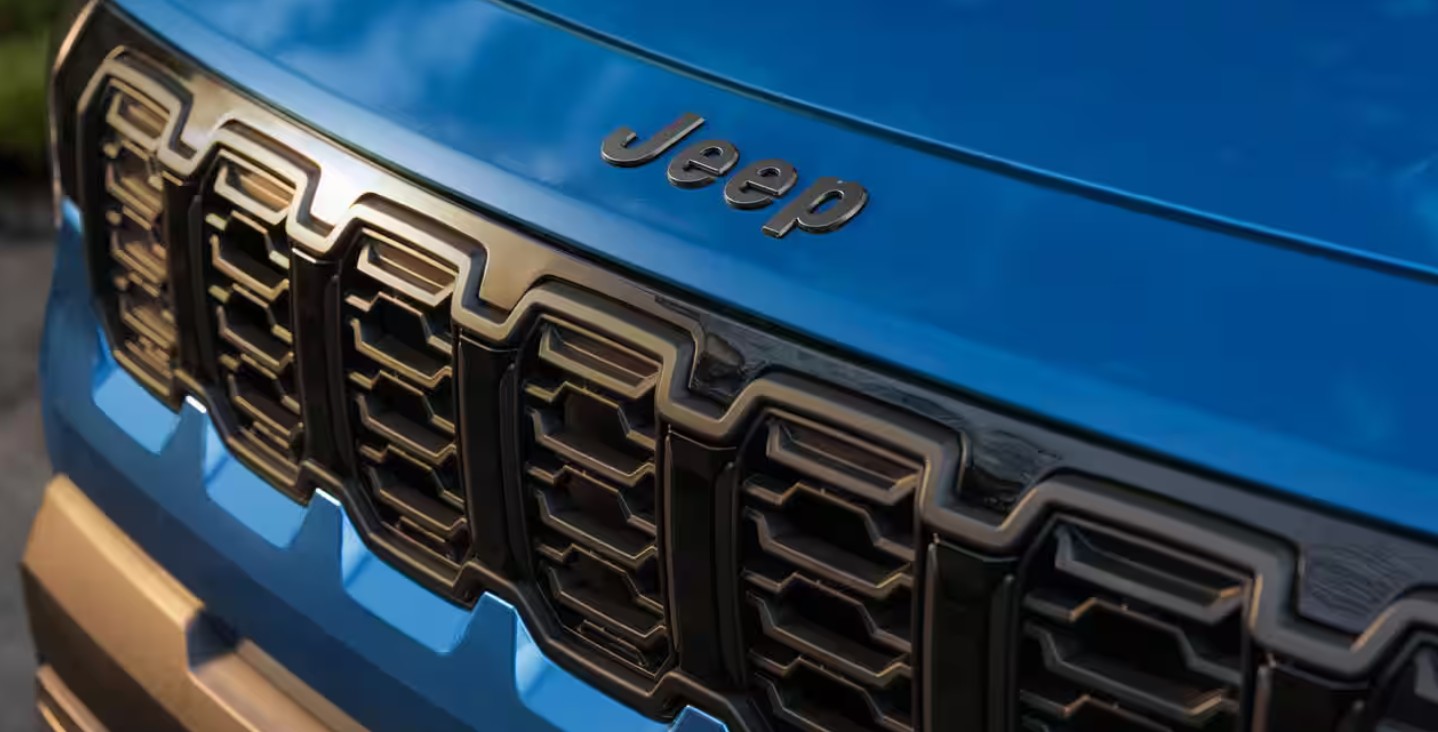
Cherokee Active Driving Assist represents the most advanced driving support technology available in the new Cherokee lineup. Designed specifically to reduce fatigue on long highway stretches — think St. Albert to Calgary on the QEII, or Edmonton to Jasper — the system combines lane centring with adaptive cruise control to manage both lateral and longitudinal vehicle control simultaneously.
What the system does: Active Driving Assist uses cameras and sensors to monitor lane markings and surrounding traffic. On suitable highways with clear lane lines, it makes gentle, continuous steering corrections to keep the Cherokee centred in its lane, while the adaptive cruise control component automatically maintains your chosen following distance from vehicles ahead — including bringing the vehicle to a complete stop in heavy traffic and resuming when the vehicle ahead moves.
What it does not do: The Cherokee Active Driving Assist is not autonomous driving. It requires the driver's hands on the wheel and full attention at all times. The system monitors steering wheel input and will alert you — through visual warnings in the Digital Cluster, audible chimes, and seat vibration — if it detects inattentiveness. Drivers can override the system at any moment with a steering input or brake press.
Colour-Coded Status Display
| Display Colour | System Status | Required Driver Action |
|---|---|---|
| White | System enabled, not yet active | Continue normal driving; system activates on suitable roads |
| Green | Actively assisting with attentive driver confirmed | Maintain light steering wheel contact and road attention |
| Yellow | Inattentiveness detected | Increase engagement; seat vibration alert is active |
| Red | System disengaging | Resume full manual control immediately |
Active Driving Assist works best on well-marked highways in Alberta — the QEII, Highway 16, and Highway 63 are ideal. It may disengage on roads with faded or absent lane markings, in heavy snowfall, or on tight curves. The system is designed for highway use, not urban streets or off-road routes.
Jeep Cherokee Collision Warning and Prevention Systems
The Cherokee's collision prevention network operates continuously, monitoring the road environment thousands of times per second with a combination of forward-facing radar and cameras. These systems work whether you're at highway speed or crawling through a school zone.
Full-Speed Forward Collision Warning with Active Braking
The core of the Cherokee's front safety system combines radar and cameras to monitor distance and closing speed to vehicles, pedestrians, and obstacles ahead. The system operates across all forward speeds — from a full stop to highway cruising. When a potential collision is detected, it first issues visual and audible alerts. If the driver doesn't respond in time, the system progressively applies the brakes, up to a full emergency stop if necessary. This multi-stage approach gives drivers the opportunity to react while ensuring the vehicle intervenes if needed.
Rear Cross Path Detection
Backing out of an Alberta driveway in January — often in low light, with frost on mirrors and ice on the ground — is one of the most common collision scenarios our customers face. Rear Cross Path Detection uses sensors positioned around the Cherokee's rear to identify vehicles, pedestrians, or cyclists crossing behind you while reversing. When a threat is detected, mirror-mounted warning lights illuminate and an interior chime sounds. The system operates in reverse gear and works even when frost or condensation obscures your physical mirrors.
| Safety System | Primary Function | Speed Range | Automated Response |
|---|---|---|---|
| Forward Collision Warning | Monitors front distance and closing speed | All forward speeds (0–180 km/h) | Visual/audible alerts plus automatic emergency braking |
| Rear Cross Path Detection | Detects crossing traffic when reversing | Reverse gear only | Mirror indicators and audible warning chime |
| Active Braking System | Applies brakes when collision is imminent | All forward speeds | Progressive brake pressure up to full emergency stop |
Adaptive Cruise Control with Stop & Go
The Cherokee's adaptive cruise control goes significantly beyond the conventional set-and-forget system. Rather than simply maintaining a fixed speed, it uses radar to continuously monitor the distance to vehicles ahead and automatically adjusts your speed to maintain your chosen following distance.
The Stop & Go capability extends this to full-speed range: the system will bring the Cherokee to a complete stop in heavy traffic and resume moving when the vehicle ahead moves — without driver intervention for short stops. For Edmonton's Henday during rush hour or the QEII northbound on a Friday afternoon, this feature meaningfully reduces driver fatigue.
Three or four selectable following distance settings allow you to tighten the gap in flowing traffic or extend it for icy road conditions in winter. The chosen distance setting is shown in the Digital Cluster Display alongside a graphic representation of the vehicle ahead, so you always know exactly what the system is doing.
Alberta Winter Tip
We recommend selecting a longer following distance setting when driving on icy roads. While the Cherokee's adaptive cruise control will adjust speed appropriately, extending your following distance provides additional stopping margin on low-traction surfaces.
Blind Spot Monitoring and Lane Keeping Systems
Blind Spot Monitoring with Trailer Detection
Radar sensors embedded in the Cherokee's rear quarter panels continuously monitor the lanes adjacent to and behind the vehicle, covering approximately one full lane width on each side and approximately 3 metres behind the vehicle. When a vehicle enters either blind zone, an amber icon illuminates in the corresponding side mirror housing — a quiet visual alert that keeps you informed without demanding your attention.
When you activate the turn signal while a vehicle is detected in that blind spot, the system escalates: the mirror icon brightens or flashes, and an audible chime sounds inside the cabin. This two-stage approach ensures you receive the right level of alert for the situation — passive awareness during normal driving, urgent warning when a lane change is imminent.
For Cherokee owners who tow trailers — whether a camping trailer to Jasper or a utility trailer to a job site — the system can be configured to extend its detection zones to account for trailer length, providing accurate blind-spot coverage even when towing up to 1,588 kg.
Lane Departure Warning and Lane Keep Assist
The Cherokee's lane-keeping system operates on two levels. Lane Departure Warning uses forward-facing cameras to monitor lane markings and alerts you if the vehicle begins drifting without an active turn signal. Alerts come through the Digital Cluster Display, audible chimes, and tactile feedback through the steering wheel or seat — keeping you informed without startling.
Lane Keep Assist goes one step further by providing gentle counter-steering when unintentional drift is detected. The steering intervention feels like mild resistance rather than a sudden correction, and drivers can override it at any time. Combined with the Active Driving Assist system's continuous lane centring, the Cherokee has comprehensive lane-safety coverage for Alberta's highway network.
Pedestrian Detection and Urban Safety
Urban driving in St. Albert and Edmonton creates its own set of hazards that differ significantly from highway conditions. The Cherokee's Pedestrian Automatic Emergency Braking system uses a combination of cameras and radar to identify and track pedestrians in and around the vehicle's path — distinguishing people from other objects and responding to their movement patterns.
The system is most effective at speeds under 60 km/h, where pedestrian interactions are most common. When a potential pedestrian collision is detected, it first issues visual and audible warnings. If the driver doesn't brake in time, the system applies the brakes autonomously, either preventing or significantly reducing the severity of impact.
Cyclist detection is also integrated: the system recognises cyclists' different size and movement characteristics compared to pedestrians and adjusts its response accordingly. This is particularly relevant in Edmonton's growing network of protected bike lanes, where cyclists may enter vehicle paths unexpectedly at intersections.
The radar-based components of the detection system are not dependent on visible light, providing reliable operation during Alberta's long winter evenings and low-light conditions when pedestrians in dark clothing are hardest to see visually.
Advanced Driver Assistance Technologies
ParkSense Front and Rear Park Assist with Automatic Braking
ParkSense uses ultrasonic sensors positioned around the Cherokee's perimeter to monitor for obstacles during low-speed manoeuvring. As you approach an obstacle while parking, the system provides audible warnings that increase in frequency as distance decreases, with a colour-coded proximity display on the Uconnect touchscreen. If you're about to contact an obstacle and haven't applied the brakes, ParkSense will automatically brake the vehicle — protecting against the parking-lot incidents that account for a significant portion of collision claims.
Surround View Camera System
The optional Surround View Camera System stitches feeds from four cameras positioned around the Cherokee into a real-time bird's-eye composite view displayed on the touchscreen. This top-down perspective eliminates virtually all remaining blind zones during parking and low-speed manoeuvring, showing your path, obstacles, and clearances from an angle impossible to see from the driver's seat. Multiple view modes — full surround, individual camera angles, and split-screen options — let you select the most useful perspective for each situation.
Traffic Sign Recognition with Speed Limit Display
The Traffic Sign Recognition system reads road signs using a forward-facing camera and displays relevant information directly in the Digital Cluster Display — keeping your eyes on the road rather than searching for signs. The speed limit display is particularly practical on roads where limits change frequently, such as transitioning from Highway 2 into St. Albert's residential streets or navigating Edmonton's active school zones with variable limits.
Driver Attention Alert System
Long drives across Alberta — St. Albert to Red Deer, Edmonton to Lloydminster — create real fatigue risk even for experienced drivers. The Cherokee's Driver Attention Alert monitors steering patterns, lane position, driving smoothness, and elapsed time without a break. If it detects signs consistent with drowsiness or distraction, it displays a coffee cup icon and an audible recommendation to take a break. This system works in parallel with the Active Driving Assist's hands-on-wheel detection to create multiple overlapping layers of attentiveness monitoring.
Winter Performance: How Safety Systems Work in Canadian Conditions
Cold-weather operation is a critical consideration for any Alberta vehicle purchase. The Cherokee's safety systems are engineered for year-round reliability in our climate:
- Heated sensors: Radar and camera elements include active heating to prevent ice and frost accumulation, ensuring collision detection remains operational even at –30°C
- Heated side mirrors: Clears ice and frost from the mirror housings, maintaining blind-spot monitoring sensor function and physical rear visibility simultaneously
- Heated windshield washer system: Delivers warm washer fluid to clear road salt, slush, and ice film from the windshield, protecting forward camera visibility
- 4×4 Active Drive I: Standard on every Canadian Cherokee, this AWD system automatically distributes torque to the wheels with traction — working in concert with Electronic Stability Control and Traction Control to provide a mechanical foundation that the electronic safety systems depend on
Lane keeping systems may have reduced effectiveness when lane markings are obscured by snow, and the system will notify you when it cannot reliably detect lane lines. Reaction time and stopping distances are longer on ice even with automatic emergency braking assistance — the Cherokee's safety tech supports your driving, but maintaining appropriate following distance and speed for conditions remains the driver's responsibility.
Winter Tip from Our Team
The Cherokee's safety systems work best when paired with proper winter tyres. Even the most advanced electronic safety suite cannot compensate for summer tyres on ice. Quality winter rubber working in partnership with the Cherokee's 4×4 system and stability control creates genuinely exceptional winter capability.
Passive Safety: Structural Protection When Prevention Isn't Enough
The Cherokee's active systems are designed to prevent collisions. Its passive safety architecture — built around a nine-airbag system and high-strength steel structural frame — is engineered to protect occupants when a collision does occur.
The nine-airbag restraint network includes frontal airbags for driver and front passenger, side-mounted torso airbags for front seats, side curtain airbags covering all outboard seating positions (including rollover deployment), and a driver's knee airbag that reduces lower extremity injury risk in frontal impacts. Impact sensors deploy airbags in coordinated patterns based on collision type and severity, and seatbelt pretensioners activate simultaneously to position occupants optimally for airbag protection.
The Cherokee's body structure uses high-strength steel in strategic locations, with engineered crumple zones designed to absorb and redirect crash energy away from the passenger compartment. The result is a structure that manages impact forces progressively, protecting the cabin while dissipating energy efficiently.
| Protection System | Coverage Area | Activation |
|---|---|---|
| Frontal Airbags | Driver and front passenger | Frontal impact sensors |
| Side Torso Airbags | Front seat occupant torsos | Side collision sensors |
| Side Curtain Airbags | All outboard seating positions | Side impact and rollover sensors |
| Driver Knee Airbag | Driver lower extremities | Frontal impact sensors |
| High-Strength Steel Frame | Entire passenger compartment | Continuous passive protection |
Experience the 2026 Cherokee's Safety Technologies at St. Albert Dodge
Reading about safety features conveys the concept — experiencing them in motion conveys the confidence. Our product specialists at St. Albert Dodge are trained to demonstrate each of these technologies in real driving conditions. We'll show you how Active Driving Assist engages on a highway section, how blind-spot monitoring responds during lane changes, and how the collision warning system behaves in everyday traffic.
We serve St. Albert, Edmonton, Sherwood Park, Spruce Grove, Leduc, and communities throughout the Edmonton Capital Region. Visit us at 1155 St. Albert Trail, St. Albert, AB T8N7X1, or call 587-742-9181 to schedule a technology demonstration or test drive. To learn more about the full Cherokee story, visit our 2026 Jeep Cherokee overview page or our Cherokee hybrid powertrain guide.
Frequently Asked Questions
What is Cherokee Active Driving Assist and how does it work?
Cherokee Active Driving Assist is a semi-autonomous driving support system that combines lane centring with adaptive cruise control. On suitable highways with clear lane markings, it makes gentle steering adjustments to keep the vehicle centred in its lane while simultaneously managing following distance and speed relative to traffic ahead. The system requires driver attention at all times — it monitors steering wheel contact and will alert you with visual, audible, and seat vibration warnings if inattentiveness is detected. Drivers can override it at any moment with a steering input or brake press.
How many safety features does the 2026 Jeep Cherokee have?
The 2026 Jeep Cherokee includes over 140 standard and available safety and security features, spanning collision prevention, driver assistance, visibility enhancement, and passive structural protection. Many core safety technologies — including forward collision warning with active braking, blind-spot monitoring, and lane departure warning — are included across all Cherokee trim levels. More advanced features such as Surround View Camera and Traffic Sign Recognition are available on higher trims. At St. Albert Dodge, we can walk you through exactly which features come standard on each trim level.
Does the Cherokee's collision warning system work in winter conditions?
Yes. The Cherokee's forward collision warning uses radar, which operates effectively regardless of weather conditions including snow, rain, and fog. Heated sensors prevent ice buildup on radar and camera elements. Automatic emergency braking remains active in winter, though stopping distances are longer on ice and snow regardless of braking system intervention. If sensors become obstructed, the vehicle will alert you. Pairing the Cherokee's safety electronics with quality winter tyres and the standard Jeep Active Drive I all-wheel drive system delivers the best possible winter safety performance.
How does blind-spot monitoring work on the Cherokee?
The Cherokee uses radar sensors in its rear quarter panels to monitor the lanes adjacent to and behind the vehicle. When a vehicle enters either blind zone, an amber icon illuminates in the corresponding side mirror housing. If you then activate your turn signal, the system escalates with a brighter flashing icon and an audible chime — a two-stage alert system designed to be informative without being disruptive. For Cherokee owners who tow trailers, the system can be configured to extend its detection zones to account for the trailer's length.
How does the Cherokee's 4×4 system enhance winter safety?
Every 2026 Jeep Cherokee sold in Canada includes Jeep Active Drive I all-wheel drive as standard equipment — there is no front-wheel-drive option. This system automatically distributes torque between front and rear axles as conditions demand, without driver input. It works in seamless partnership with Electronic Stability Control, which monitors for understeer or oversteer and applies individual wheel braking to correct instability, and Traction Control, which prevents wheel spin during acceleration on slippery surfaces. This three-layer mechanical and electronic traction system provides the foundation on which all of the Cherokee's other safety features operate.